


What is the Tensile Strength of ASTM A335 P9?
As a supplier of ASTM A335 P9 materials, I often encounter inquiries about the tensile strength of this particular alloy. Understanding the tensile strength of ASTM A335 P9 is crucial for various industries, especially those involved in high - temperature and high - pressure applications.
ASTM A335 P9 is a seamless ferritic alloy - steel pipe intended for high - temperature service. It is commonly used in power generation plants, refineries, and chemical processing industries. The material is known for its excellent creep - rupture strength and resistance to oxidation at elevated temperatures.
Understanding Tensile Strength
Tensile strength is a fundamental mechanical property of a material. It represents the maximum stress that a material can withstand while being stretched or pulled before it breaks. In the case of ASTM A335 P9, the tensile strength is an important parameter as it determines the pipe's ability to handle the internal pressure and external forces in service.
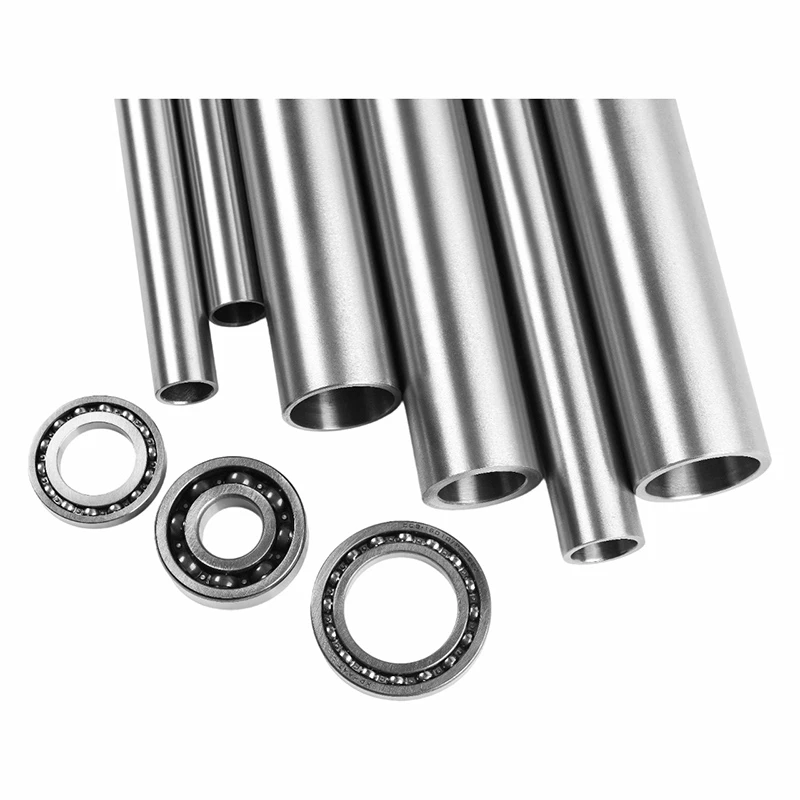

The tensile strength of ASTM A335 P9 is specified by the ASTM standard. According to ASTM A335, the minimum tensile strength of ASTM A335 P9 pipe is 60,000 psi (pounds per square inch), which is equivalent to approximately 414 MPa (megapascals). The minimum yield strength, which is the stress at which the material begins to deform plastically, is 30,000 psi or about 207 MPa.
These values are determined through standardized testing procedures. A test specimen is taken from the pipe and subjected to a uniaxial tensile load in a testing machine. The load is gradually increased until the specimen fractures, and the maximum load and the corresponding stress are recorded.
Factors Affecting Tensile Strength
Several factors can affect the tensile strength of ASTM A335 P9. One of the most significant factors is the chemical composition of the alloy. ASTM A335 P9 contains a specific combination of elements, including chromium (Cr) and molybdenum (Mo). Chromium provides oxidation resistance, while molybdenum enhances the high - temperature strength of the material. Any deviation from the specified chemical composition can lead to variations in the tensile strength.
The manufacturing process also plays a crucial role. Seamless pipes like ASTM A335 P9 are produced through processes such as hot - rolling or extrusion. The quality of these processes, including the temperature control during rolling and the heat treatment after forming, can impact the microstructure of the material and, consequently, its tensile strength.
Heat treatment is another important factor. ASTM A335 P9 pipes are typically normalized and tempered. Normalizing involves heating the pipe to a specific temperature and then air - cooling it to refine the grain structure. Tempering is done at a lower temperature to relieve internal stresses and improve the ductility of the material. Improper heat treatment can result in a non - uniform microstructure and reduced tensile strength.
Applications and Tensile Strength Requirements
In power generation plants, ASTM A335 P9 pipes are used in boiler systems to carry high - pressure steam. The pipes need to withstand the internal pressure of the steam, which can be quite high. The tensile strength of the pipes ensures that they do not rupture under these conditions. For example, in a supercritical boiler, the steam pressure can reach up to 3,200 psi or more. The minimum tensile strength of ASTM A335 P9 helps to ensure the safe operation of the boiler system.
In refineries, ASTM A335 P9 pipes are used in processes where high - temperature and high - pressure fluids are transported. The pipes need to resist the corrosive effects of the fluids as well as the mechanical stresses. The tensile strength of the pipes is essential for maintaining the integrity of the piping system and preventing leaks or failures.
Comparison with Other Materials
When comparing ASTM A335 P9 with other similar materials, its tensile strength is a key consideration. For instance, ASTM A335 P11 Pipe has different mechanical properties. ASTM A335 P11 has a minimum tensile strength of 55,000 psi (about 379 MPa) and a minimum yield strength of 30,000 psi (about 207 MPa). The slightly lower tensile strength of ASTM A335 P11 makes it suitable for applications where the pressure and temperature requirements are not as extreme as those for ASTM A335 P9.
Boiler Steel Tube materials also vary in their tensile strength. Some boiler steel tubes may have lower tensile strengths but are designed for specific applications with lower pressure and temperature conditions. On the other hand, Axle Pipe has different mechanical property requirements, mainly focused on its ability to withstand bending and torsional loads rather than high - temperature and high - pressure conditions.
Quality Assurance and Testing
As a supplier of ASTM A335 P9, we ensure that all our products meet the ASTM standards for tensile strength and other mechanical properties. We conduct a series of tests on each batch of pipes. In addition to the tensile test, we also perform chemical analysis to verify the composition of the alloy, hardness testing to ensure the proper heat treatment, and non - destructive testing to detect any internal defects.
We work closely with certified testing laboratories to ensure the accuracy and reliability of the test results. Our quality control team monitors every step of the manufacturing process, from the raw material procurement to the final product inspection. This strict quality assurance process helps us to provide our customers with high - quality ASTM A335 P9 pipes that meet their specific requirements.
Conclusion
The tensile strength of ASTM A335 P9 is a critical property that determines its suitability for high - temperature and high - pressure applications. With a minimum tensile strength of 60,000 psi, ASTM A335 P9 pipes can withstand the demanding conditions in power generation plants, refineries, and other industries.
As a reliable supplier of ASTM A335 P9, we are committed to providing our customers with products that meet the highest quality standards. If you are in need of ASTM A335 P9 pipes for your project, we encourage you to contact us for a detailed discussion about your requirements. We can offer you the right products at competitive prices and provide you with technical support throughout the procurement process.
References
- ASTM International. ASTM A335/A335M - 21 Standard Specification for Seamless Ferritic Alloy - Steel Pipe for High - Temperature Service.
- ASME Boiler and Pressure Vessel Code. Section I: Rules for Construction of Power Boilers.
- Various technical literature on alloy - steel materials and their applications in high - temperature environments.