


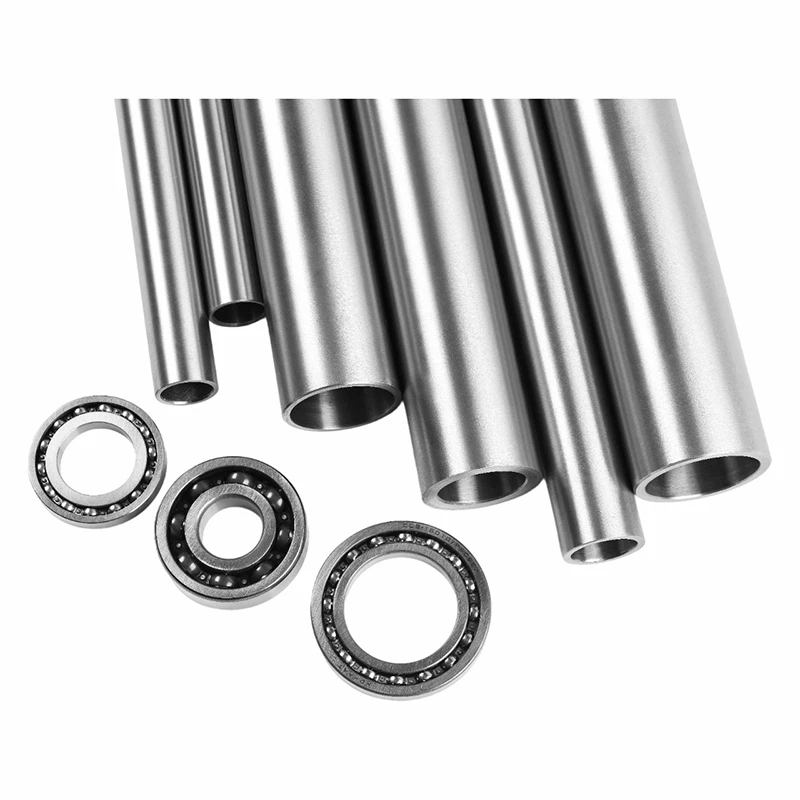
As a supplier of Hydraulic Cylinder Pipe, I've witnessed firsthand the widespread use of these pipes across various industries. From construction equipment to manufacturing machinery, hydraulic cylinder pipes play a crucial role in powering and controlling hydraulic systems. However, it's essential to understand the environmental impacts associated with these pipes to ensure sustainable practices in their production, use, and disposal.
1. Raw Material Extraction and Production
The production of hydraulic cylinder pipes typically begins with the extraction of raw materials, primarily steel. Steel production is an energy - intensive process that has significant environmental implications.

- Energy Consumption: The mining of iron ore, one of the main components of steel, requires large amounts of energy for extraction, transportation, and processing. Once the iron ore is mined, it is smelted in blast furnaces, which consume vast quantities of coal or coke as a fuel source. According to the World Steel Association, the steel industry accounts for around 7 - 9% of global carbon dioxide emissions. This high energy consumption not only depletes finite fossil fuel resources but also contributes to climate change through the release of greenhouse gases.
- Water Usage: Steel production also consumes a substantial amount of water. Water is used for cooling in the manufacturing process, and in some cases, for dust suppression in mines. In regions where water is scarce, this can put a strain on local water supplies. Moreover, the water used in steel production often contains pollutants such as heavy metals and chemicals, which can contaminate local water sources if not properly treated.
2. Manufacturing Processes
The manufacturing of hydraulic cylinder pipes involves several processes, including hot rolling, cold drawing, and heat treatment, each with its own environmental impacts.
- Air Pollution: During the hot - rolling process, large amounts of dust and fumes are generated. These emissions contain particulate matter, sulfur dioxide, and nitrogen oxides, which can have adverse effects on air quality and human health. In addition, heat treatment processes often use fossil - fuel - based energy sources, further contributing to air pollution and greenhouse gas emissions.
- Waste Generation: Manufacturing hydraulic cylinder pipes also produces a significant amount of waste. Scrap metal is generated during the cutting and shaping processes, and there may also be waste from the use of lubricants and coolants. If not properly managed, this waste can end up in landfills, contributing to environmental degradation.
3. Use and Maintenance
Once hydraulic cylinder pipes are installed and in use, there are still environmental considerations.
- Leakage: Hydraulic systems are prone to leaks, which can release hydraulic fluid into the environment. Hydraulic fluids are often petroleum - based, and when they leak, they can contaminate soil and water. These fluids can be toxic to plants and animals, and can also pose a risk to human health if they enter the food chain.
- Energy Efficiency: The efficiency of hydraulic systems can have a significant impact on energy consumption. Inefficient systems may require more energy to operate, leading to increased greenhouse gas emissions. Regular maintenance, such as checking for leaks and ensuring proper lubrication, can help improve the energy efficiency of hydraulic systems and reduce their environmental footprint.
4. End - of - Life Disposal
When hydraulic cylinder pipes reach the end of their useful life, proper disposal is crucial to minimize environmental impacts.
- Recycling: Steel is one of the most recycled materials in the world. Recycling hydraulic cylinder pipes can significantly reduce the demand for new raw materials and the energy required for steel production. Recycling steel also reduces greenhouse gas emissions compared to producing steel from virgin materials. However, the recycling process still requires energy and may generate some waste.
- Landfill: If hydraulic cylinder pipes are not recycled, they may end up in landfills. In addition to taking up valuable landfill space, these pipes can potentially leach contaminants into the soil and groundwater over time.
Mitigation Strategies
As a supplier of Hydraulic Cylinder Pipe, we are committed to promoting sustainable practices in the production and use of our products.
- Raw Material Sourcing: We source our raw materials from suppliers who adhere to strict environmental standards. We prioritize suppliers who use recycled steel or have efficient mining and production processes.
- Manufacturing Innovations: We invest in research and development to improve the manufacturing processes of our hydraulic cylinder pipes. This includes using more energy - efficient technologies and reducing waste generation. For example, we are exploring the use of alternative lubricants and coolants that are less harmful to the environment.
- Product Design: We design our hydraulic cylinder pipes to be more energy - efficient and less prone to leakage. This not only reduces the environmental impact during use but also improves the performance and reliability of our products.
Specific Types of Hydraulic Cylinder Pipes and Their Considerations
There are different types of hydraulic cylinder pipes, such as SA335 P22 Pipe and P5 Pipe. These pipes are made from different materials and have different properties, which can also affect their environmental impacts.
- SA335 P22 Pipe: This type of pipe is often used in high - temperature applications. The production of SA335 P22 Pipe may require more energy - intensive heat treatment processes compared to other types of pipes. However, its high - temperature resistance can lead to more efficient operation in certain hydraulic systems, potentially offsetting some of the environmental impacts during production.
- P5 Pipe: P5 Pipe is known for its corrosion resistance. While this can extend the lifespan of the pipe and reduce the need for replacement, the manufacturing process may involve the use of certain chemicals that can be harmful to the environment. We work to ensure that the production of P5 Pipe is carried out in an environmentally responsible manner, minimizing the use of hazardous chemicals and optimizing the manufacturing process.
Conclusion
The environmental impacts of hydraulic cylinder pipes are complex and multifaceted, spanning from raw material extraction to end - of - life disposal. As a supplier, we recognize our responsibility to minimize these impacts and promote sustainable practices. By sourcing raw materials responsibly, investing in manufacturing innovations, and designing energy - efficient products, we can reduce the environmental footprint of hydraulic cylinder pipes.
If you are interested in purchasing high - quality hydraulic cylinder pipes while also being mindful of environmental considerations, we invite you to contact us for a detailed discussion. We are committed to providing you with products that meet your needs while also contributing to a more sustainable future.
References
- World Steel Association. (2023). Steel and climate change.
- Environmental Protection Agency. (2023). Industrial waste management.
- International Energy Agency. (2023). Energy efficiency in industrial processes.