


In the highly competitive landscape of the oil industry, cost - saving measures for oil field tubing projects have become a top priority for both operators and suppliers. As an established Oil Field Tubing supplier, I understand the significance of delivering high - quality tubing solutions while keeping costs under control. In this blog, I will share some effective cost - saving measures that can be implemented in oil field tubing projects.
1. Material Selection
One of the fundamental aspects of cost - saving in oil field tubing projects is the proper selection of materials. Different materials have different costs, and choosing the most suitable one for the specific project requirements can lead to significant savings.
Standardization of Materials
Standardizing the materials used in tubing projects can reduce costs associated with inventory management and procurement. By using a limited range of materials, we can negotiate better prices with suppliers due to larger order volumes. For example, instead of using a wide variety of specialized alloys for every project, we can identify a few standard materials that meet the majority of our customers' needs. This approach not only simplifies the supply chain but also reduces the risk of over - stocking or under - stocking materials.
Alternative Materials
Exploring alternative materials can also be a viable cost - saving strategy. For instance, in some cases, carbon steel tubing can be a more cost - effective option compared to stainless steel or other high - alloy materials, especially when the operating conditions do not require the enhanced corrosion resistance or strength of the latter. However, it is crucial to ensure that the alternative material meets the project's technical specifications. For more information on different types of tubing materials, you can refer to Axle Housing Pipe, which provides details on a specific type of seamless steel pipe that can be considered for certain oil field applications.
2. Manufacturing Processes
The manufacturing processes employed in producing oil field tubing can have a significant impact on costs.

Lean Manufacturing
Implementing lean manufacturing principles can help eliminate waste and improve efficiency in the production process. This includes reducing unnecessary steps, minimizing downtime, and optimizing the use of resources. By streamlining the manufacturing process, we can produce tubing more quickly and at a lower cost. For example, using advanced automation technologies can reduce labor costs and increase production speed. Additionally, lean manufacturing practices can improve quality control, reducing the likelihood of defective products that may result in additional costs for rework or replacement.
Value - Engineering
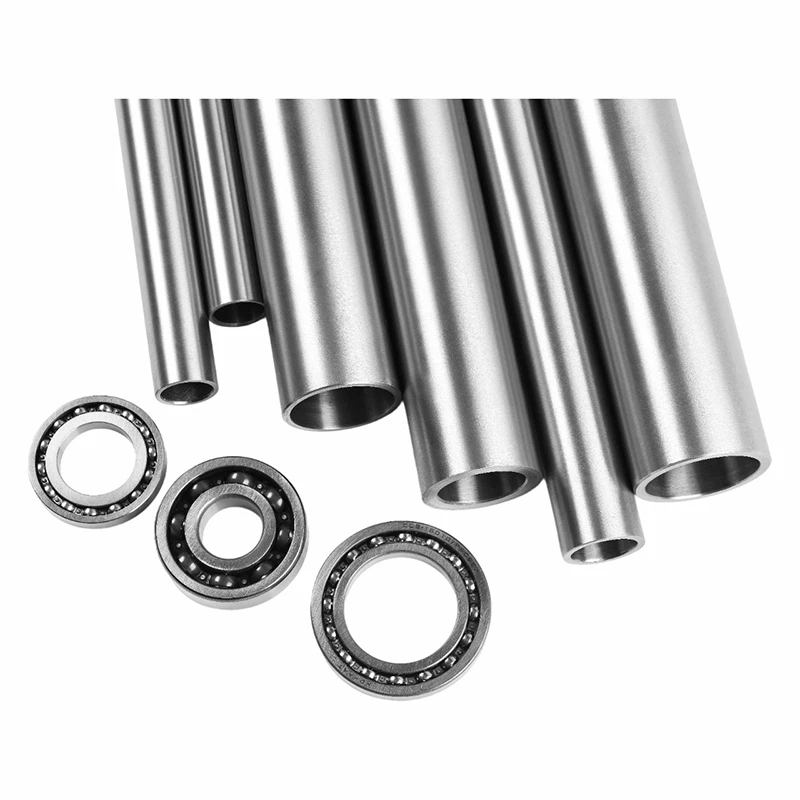
Value - engineering involves analyzing the design and manufacturing processes to identify areas where costs can be reduced without sacrificing quality. This may involve modifying the tubing design to use less material or changing the manufacturing method to a more cost - effective one. For example, instead of using a complex forging process, we can explore the possibility of using a simpler and more economical extrusion process for certain types of tubing. P5 Pipe showcases a type of seamless steel pipe, and the manufacturing process of such pipes can be optimized through value - engineering to achieve cost savings.
3. Logistics and Supply Chain Management
Efficient logistics and supply chain management are essential for cost - saving in oil field tubing projects.
Bulk Purchasing
Buying tubing materials in bulk can lead to significant cost savings. Suppliers often offer volume discounts for large orders, which can reduce the unit cost of the tubing. However, it is important to balance the benefits of bulk purchasing with the cost of inventory holding. We need to ensure that we have a proper inventory management system in place to avoid over - stocking and associated costs such as storage, insurance, and potential obsolescence.
Strategic Sourcing
Strategic sourcing involves identifying reliable suppliers who can offer high - quality tubing at competitive prices. By building long - term relationships with these suppliers, we can negotiate better terms, including price, delivery schedules, and payment terms. Additionally, sourcing materials locally can reduce transportation costs and lead times. For example, if there are local suppliers who can provide the required tubing materials, it can be more cost - effective compared to sourcing from overseas suppliers, especially when considering factors such as shipping costs and import duties. S355J2H Tube is a type of seamless steel tube, and through strategic sourcing, we can find the most cost - effective supplier for this product.
Optimized Transportation
Optimizing the transportation of tubing from the manufacturing facility to the oil field can also result in cost savings. This may involve choosing the most appropriate mode of transportation (e.g., truck, rail, or ship) based on the distance, volume, and urgency of the delivery. Additionally, consolidating shipments can reduce transportation costs per unit. For example, if multiple orders are going to the same or nearby oil fields, we can combine them into a single shipment to take advantage of economies of scale.
4. Quality Control and Maintenance
Proper quality control and maintenance practices can prevent costly problems in oil field tubing projects.
Quality Assurance
Implementing a rigorous quality assurance program during the manufacturing process can ensure that the tubing meets the required standards. This reduces the risk of premature failure or performance issues in the field, which can result in expensive repairs or replacements. By investing in quality control measures such as non - destructive testing and material certification, we can catch potential problems early and avoid costly downtime in the oil field.
Predictive Maintenance
Predictive maintenance involves using data and analytics to predict when maintenance is required for the tubing. By monitoring factors such as pressure, temperature, and corrosion rates, we can schedule maintenance activities at the most appropriate time, preventing unexpected failures and reducing maintenance costs. For example, if sensors detect early signs of corrosion in the tubing, we can take proactive measures to address the issue before it becomes a major problem.
5. Project Planning and Management
Effective project planning and management are crucial for cost - saving in oil field tubing projects.
Accurate Project Estimation
Accurately estimating the requirements of the project, including the quantity and type of tubing needed, can prevent over - purchasing or under - purchasing. This requires a detailed understanding of the project specifications, including the well depth, operating conditions, and production requirements. By conducting a thorough feasibility study and using historical data from similar projects, we can develop more accurate cost estimates and avoid costly surprises during the project execution.
Risk Management
Identifying and managing risks associated with the project can also help control costs. Risks such as changes in market prices, regulatory requirements, and natural disasters can have a significant impact on the project budget. By developing contingency plans and risk mitigation strategies, we can minimize the financial impact of these risks. For example, if there is a risk of a sudden increase in the price of raw materials, we can enter into long - term supply contracts or hedge against price fluctuations.
In conclusion, implementing cost - saving measures in oil field tubing projects requires a comprehensive approach that encompasses material selection, manufacturing processes, logistics and supply chain management, quality control and maintenance, and project planning and management. By carefully considering these factors and making informed decisions, we can deliver high - quality tubing solutions at a lower cost, which is beneficial for both our company and our customers.
If you are interested in learning more about our cost - effective oil field tubing solutions or would like to discuss a specific project, I encourage you to reach out to us for a detailed consultation. We are committed to providing the best value for your investment in oil field tubing projects.
References
- "Handbook of Oil and Gas Production Technology" by Michael Economides and Kenneth N. Okpobiri
- "Cost Estimation for Oil and Gas Projects" by John D. Mather and John R. D. Gittins
- Industry reports from leading oil and gas research firms